Hello Bar -01

Turn insights into field execution with Botree AI

Retail Intelligence

Maximizing Efficiency and Accuracy in Distribution with the Right Distribution Management Software

Botree

Botree Software

Role
Share:FacebookX (Twitter)LinkedInWhatsApp

botree consumers

Distribution management systems (DMS) are important tools for managing the distribution of goods, services, and information within a company or organization. They help to optimize the flow of their products from the point of production to the point of consumption, ensuring that they are delivered efficiently and effectively to meet the needs of consumers and stakeholders.

Benefits of implementing a Distribution Management System:

There are several key benefits of implementing a distribution management system, including:

  • Increased efficiency: Distribution Managment Software helps to streamline and automate many of the processes involved in distribution, reducing the time and resources required to get goods and services to consumers.
  • Improved accuracy: distribution managment Software can help to reduce errors and mistakes in the distribution process, ensuring that the right products are delivered to the right consumers at the right time.
  • Enhanced visibility: A distribution managment Software can provide visibility into the entire distribution process, from the point of production to the point of sale. This allows businesses to better manage sales and inventory

Choosing the Right Distribution Management Software:

How can organizations choose the right distribution management software?
There are a few key factors to consider when choosing the right distribution management software for your organization:

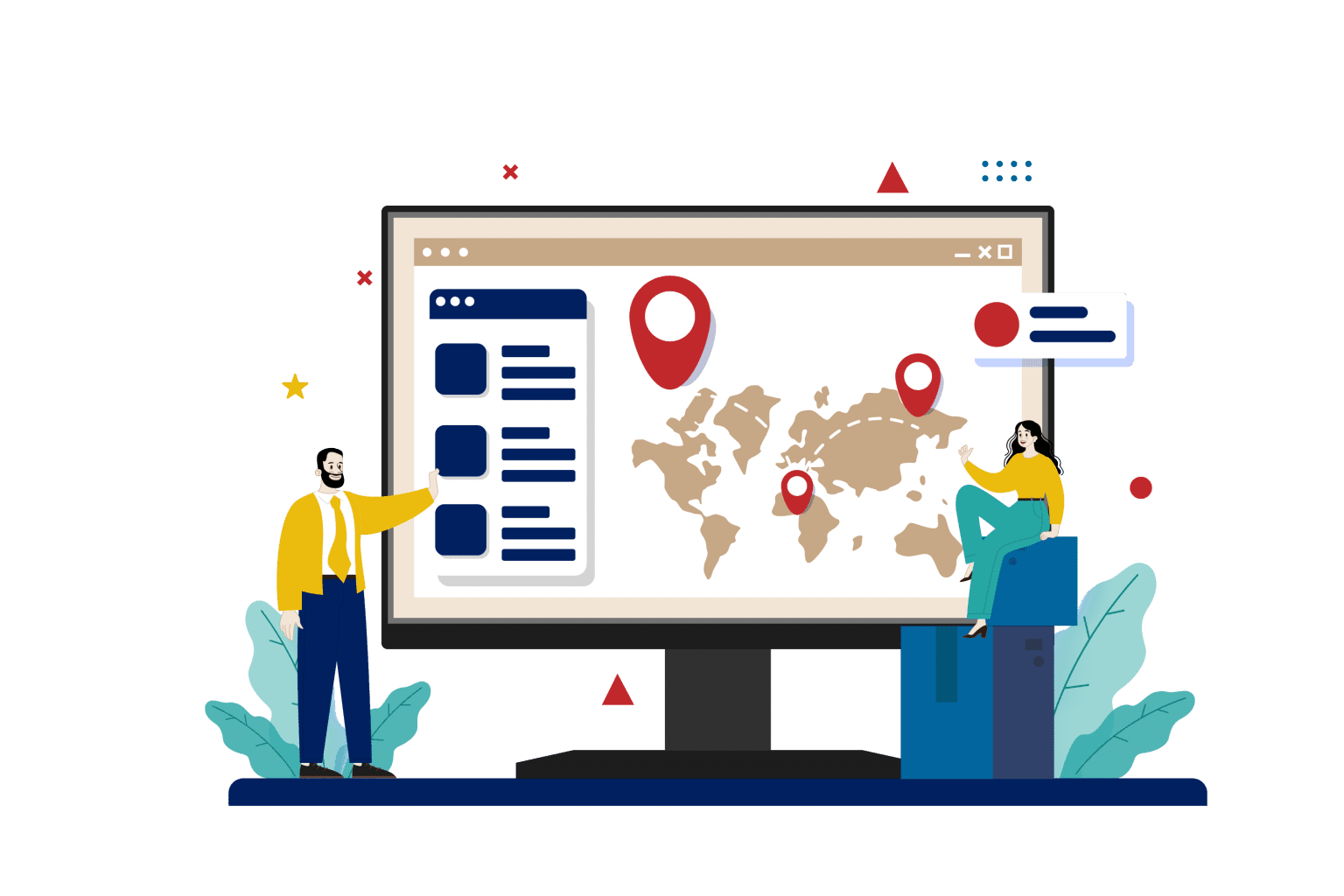
Distribution Management Illustration
  • Functionality: Make sure that the software includes the features and capabilities you need to manage your distribution processes effectively. This might include inventory management, trade promotions management, transportation management, order tracking, and fulfillment, and returns management, claim settlement among others.
  • Integration: Consider how the software will integrate with your existing systems and processes. If you have a complex supply chain, you may need software that can integrate with a range of different systems and stakeholders.
  • Scalability: Consider the size of your organization and whether the software can scale with you as you grow. You may also want to consider whether the software can be customized to meet your organisation’s specific requirements. Choose a solution that can handle your current volume of orders and inventory, as well as any anticipated growth.
  • User-friendliness: Choose a solution that is easy to use and navigate, especially if you have non-technical employees who will be using it. A user-friendly interface can help improve adoption and reduce training costs.
  • Customer support: Consider the level of customer support offered by the software provider. Look for a provider that offers extensive documentation
    Customizability: Consider whether the software can be customized to meet the specific needs of your organization. Can you add or remove features as needed? Can you tailor the software to your business processes?
  • Cloud-based or on-premises:
    Decide whether you want a cloud-based or on-premises solution. Cloud-based solutions offer the advantage of being accessible from anywhere and requiring less IT infrastructure, but they may have higher ongoing costs. On-premises solutions offer more control and potentially lower upfront costs, but they require more IT infrastructure and maintenance
  • Speed of rollout and effectiveness: The product of choice needs adoption by end users to make it effective. The product needs to be easy to understand and use for the end user to use it effectively. The rollout of the solution needs to be fast, and the experience of the vendor in the rollout can make a difference in the effectiveness of the solution

It may also be helpful to do some research and compare different software options to see how they stack up against these criteria. You can look at online reviews and ratings, talk to other businesses in your industry to see what they are using, and request demos to see how the software works in practice. It’s also a good idea to involve key stakeholders in the decision-making process, such as your IT team and team members who will be using the software on a daily basis. This will help ensure that the software meets the needs of all departments and users within your organization.

Digital Disruption and Growth Opportunities for FMCG and CPG Sectors in Africa
Download ReportQuick Tip 1 1

About the Author

Botree

Botree

Role

Related Blogs

Botree DMS Recap 2024
Retail Intelligence
Botree DMS Recap 2024

Botree DMS Recap 2024 With numerous updates throughout the year, these standout features have had the greatest

Retail Intelligence
Maximizing Efficiency and Accuracy in Distribution with the Right Distribution Management Software

Distribution management systems (DMS) are important tools for managing the distribution of goods, services, and information

Retail Intelligence
Overcoming Challenges in Asset Management and Tracking in CPG with Automated Solutions

Introduction To improve the visibility, quality, and serviceability of their products, CPG companies invest in placing different

Overcoming Distribution Challenges in the FMCG Market with distribution management software
Retail Intelligence
Overcoming Distribution Challenges in the FMCG Market with distribution management software

Over the last five decades, the Indian FMCG market has grown by leaps and bounds. The

Retail Intelligence
8 Ways to Improve Grocery Store Margins and Make Them More Profitable with Inventory Management

Grocery and FMCG stores stock thousands of SKUs and unpackaged goods and are constantly looking for

Retail Intelligence
Transforming Retail with Sales Force Automation and Data Insights

Challenges of Brick-and-Mortar Retail Stores Technology has changed the way brands are improving their presence in