
Botree DMS
Streamline distribution and boost primary sales efficiency.

Botree FlexiDMS
Access secondary data seamlessly without daily disruption.

Botree MyDMS
Empower distributors and accelerate rurban market growth.

Botree SFA
Boost sales productivity and ensure in-store excellence.

Botree Retailer App
Enhance retailer engagement with modern mobile app.

Botree AI
Make smarter decisions with granular insightful dashboards.

Swaminathan Thiagarajan
Sr. VP - Product ManagementUpdated on December 11, 2025



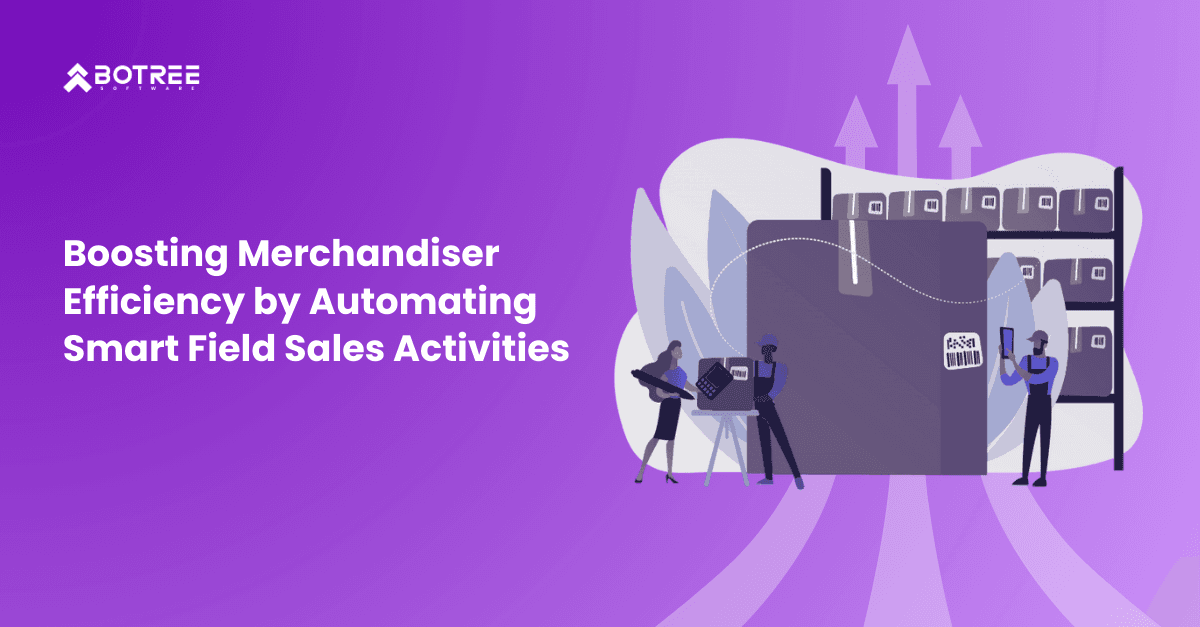
For most FMCG companies, visibility into activities performed in modern trade (MT) stores is key to improving product presence and driving sales. This visibility comes from structured field execution, led by merchandisers — either in-house or third-party — who manage planogram compliance, stock availability, and in-store branding.
Unlike general trade sales reps, merchandisers in MT stores cover fewer outlets but are responsible for deeper, more detailed execution. To do this effectively, they need structured plans, access to store data, and tools that improve efficiency on the ground. That’s where merchandising automation plays a crucial role.
Companies must define a clear coverage plan for modern trade outlets. This allows merchandisers to prepare before entering the field, follow a structured execution checklist, and record any deviations. It also provides visibility to management on coverage performance and helps refine future strategies. Using Botree Sales Force Automation (SFA), teams can assign store visits, monitor compliance, and track performance in real-time.
Merchandiser attendance data is critical, especially when salaries are linked to days worked or hours spent in the field. Companies also want to know how much time is spent at each outlet and how efficiently it’s used. Botree’s SFA helps track this data accurately with GPS-based attendance and time logs.
While it’s not feasible to check stock levels for every product, merchandisers are expected to report on key SKUs and replenish shelves from the store godown. These stock insights inform supply planning and ensure on-shelf availability.
A merchandiser’s key job is to ensure products are positioned correctly and visibly on store shelves, using proven visual merchandising strategies that help attract customer attention and drive sales.
Merchandisers also capture valuable data on competitors such as brands present, shelf location, or promotional displays. This intelligence helps companies adjust in-store strategies and defend their space more effectively.
In some outlets, merchandisers also take responsibility for order collection. After reviewing shelf stock and availability, they coordinate with store managers to generate orders. These are passed on to distributors for fulfillment, reducing the need for a separate sales call.
Merchandising automation provides merchandisers with real-time guidance, pre-loaded tasks, and instant data capture — making store visits faster and more productive. It eliminates manual paperwork, improves tracking, and ensures adherence to execution standards.
Using tools like Botree SFA, companies can digitize field merchandising with features like photo tagging, stock capture, location-aware check-ins, and automated task scheduling. Automation saves time, increases accuracy, and gives leadership the insights needed to optimize field teams and improve sales outcomes.
Sr. VP - Product Management
Meet Swaminathan Thiagarajan, our trusted business transformation and presales specialist. With a strong foundation in product innovation and strategic problem-solving, Swaminathan excels at turning ideas into meaningful solutions that help businesses operate smarter and grow faster.



Stay updated with the latest trends and insights.